
What is building smartness?
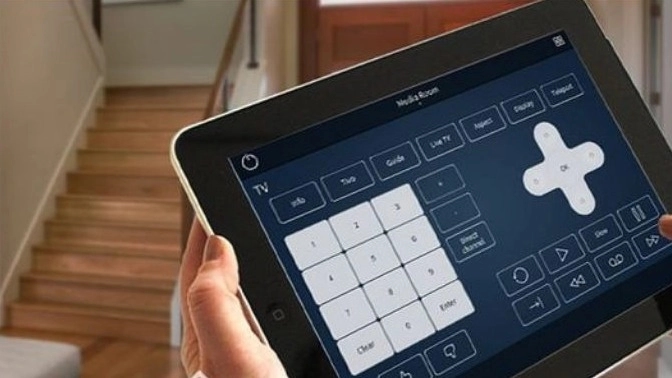
Generally, the existence of an integrated system capable of controlling various electrical equipment in the building is one of the main elements in making a building smart. In the process of building smartness, home appliances or systems can be connected to a common network and controlled independently and remotely. For example, your home's thermostat, lights, audio speakers, TVs, security cameras, locks, appliances, and more are all connected to a common system that can be controlled via a smartphone or via a mobile touch device. .
What is a BMS system?
BMS system, which is also known as intelligent building management in Farsi, actually refers to a set of hardware and software that is provided for the purpose of integrated monitoring and control of important parts in the building. In general, the task of this complex is to continuously monitor the different parts of the building and apply commands to them in such a way that the performance of the different parts of the building is balanced with each other and in optimal conditions, with the aim of reducing unnecessary consumption and allocating energy resources to the required spaces.
BMS can include all the electrical, mechanical and protection services of the building, which these systems in a general view include heating, cooling, air conditioning, elevator, emergency power plant, escalator, lighting control, CCTV, announcement and extinguishing services. fire, traffic control and many other things.
Familiarity with BMS system components
In general, the components of this management system mean all the equipment, communication systems and software that are used to control the various devices in the building, which are usually according to the needs and demands. Each user can be different.
1. Central control system
This section is the most important and largest component of a BMS system, which is considered to be its central core. In general, it can be said that building smartness usually starts with a computer, which in most cases is an independent part, and only through that system planning and control is done. This section includes the processor unit, main system controls, conductors and relays that are connected to all components. Also, in this section, there are keys that can be changed manually and by changing them, the system program can be changed. It should be noted that the central control communication methods with different components can be done through power lines, bus wires or telephone lines.
2. communication lines (BUS)
In a general view, communication lines are used to connect different components of BMS with each other, and these lines pass through all components of BMS and make it possible to send information between them. It should be noted that these lines can be in the form of electrical wires of the building, several strands of common wire or in the form of wireless waves.
3. Access points and controllers
This section includes a screen and a keyboard or a touch screen and it is installed in different parts of the building and has the ability to control and display the information of that section, such as temperature, equipment status, etc. It should be noted that this department is like the central control unit, with the difference that its capabilities are more limited.
4. Sensors
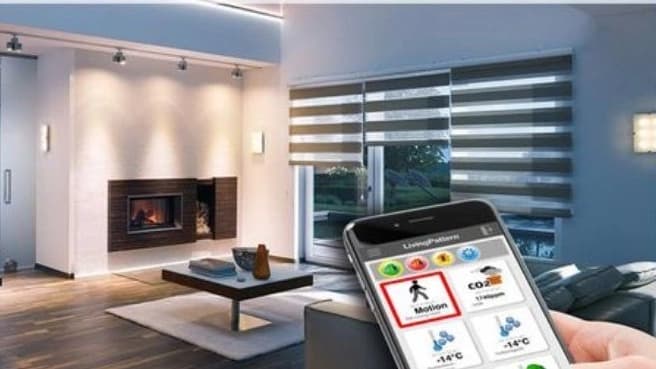
Various sensors can be installed in different parts of a building according to the desired needs and level of intelligence. In general, the common types of these sensors include presence sensor, temperature sensor, light sensor and smoke sensor, which can convert the desired characteristics into desired signals and information and send them to the central control or control points through communication lines. Also, the central or local control has the ability to send the necessary commands to all kinds of keys, timers and dimmers.
5. Timers
Generally, timers are useful for a series of actions that are performed repetitively and at certain times, although it should be kept in mind that the central control also has the ability to send commands in a timed manner and is cheaper than a timer.< br>
6. Lighting dimmers
Dimmers make it possible to adjust the light by increasing or decreasing the light of the lamps electronically. In fact, with this equipment, together with the light sensor, you can increase or decrease the light level in the building environment or even turn off the lighting and thus save energy.
7. sockets
Using the sockets that have the ability to send and receive information through communication lines, it is possible to turn on and off the consumer systems connected to them and even get to know their status.
8. System software
Using the software by a computer can be one of the useful and highly flexible tools for the BMS system. Because in some cases, these softwares can provide capabilities to the system that the central control lacks, including reporting and recording facts, as well as proper visual communication with the system.
9. Using a web server
The web server is a device that gives users the ability to access and control the BMS system anywhere in the world through the Internet. In fact, this system is connected to the central control using communication lines, and on the other hand, it is connected to equipment such as modems to the network.
Benefits of smart building
In general, there are countless benefits for making a home smart, which are case by case as follows:
Increasing the level of well-being and comfort along with luxuriating the space and providing an attractive appearance for the equipment
Having a smart lighting system in addition to saving electricity
Having a smart cooling and heating system
Having a system of smart electric curtains
Equipping the building with an elevator call system along with a smart security system
Surveillance system and smart iPhone
Control systems by mobile phone and touch panel
Controlling outdoor equipment and increasing security